 Skip to content


A broken air conditioner in summer is more than uncomfortable. It is a health risk that demands immediate action. Knowing how to stay cool while awaiting HVAC repair means using the right combination of body cooling, heat blocking, and ventilation management before your technician arrives. Heat-related illness prevention is the top priority during any AC outage, not just comfort. The strategies below are practical, safe, and proven to work in real homes. Sam & Sons Services has seen firsthand how a few smart steps can make a critical difference while homeowners wait for professional help.
How to stay cool while awaiting HVAC repair: first checks to make
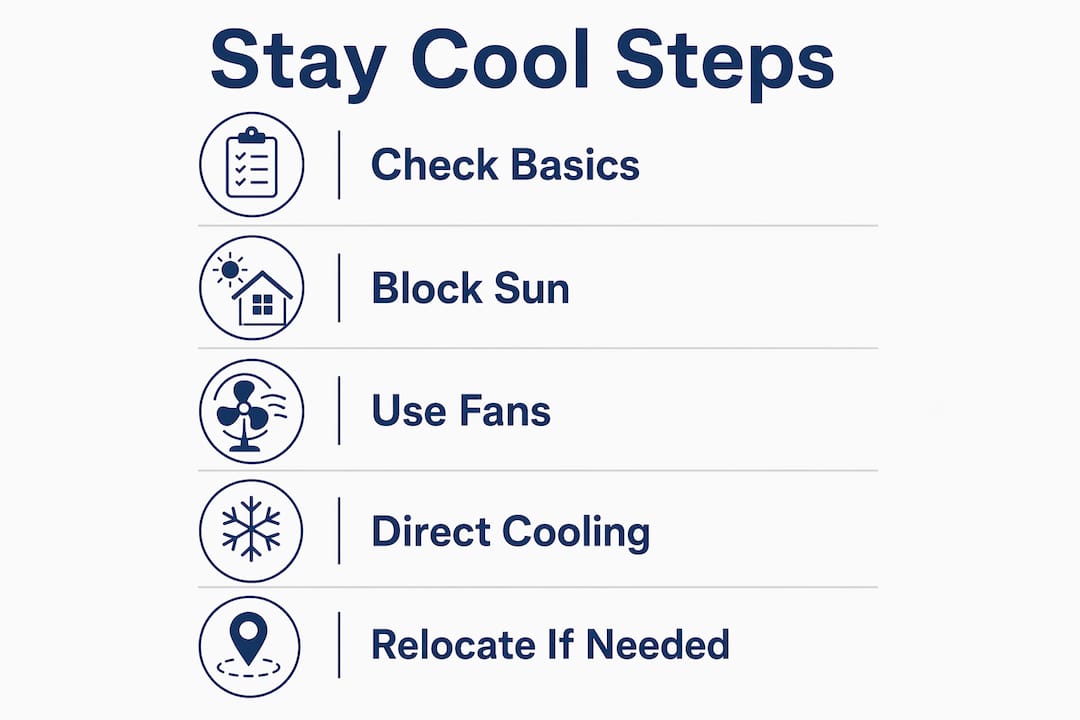
The first thing to do before calling a technician is run three basic checks. Verify the thermostat is set to “cool” and the target temperature is below the current room temperature. Check your circuit breaker panel for a tripped breaker and reset it if needed. Inspect your air filter and replace it if it is visibly clogged. These three steps resolve a surprising number of AC failures and can restore partial cooling before a technician even arrives.
Beyond those basics, clear any debris from around the outdoor condenser unit. Leaves, grass clippings, and dirt block airflow and reduce efficiency. Do not attempt anything beyond these checks. Unauthorized complex repairs risk voiding your manufacturer warranty and create serious safety hazards. The EPA requires certification for refrigerant handling, and electrical repairs inside the unit are dangerous without proper training.
- Set thermostat to “cool” and confirm the set temperature is lower than room temperature
- Check the circuit breaker and reset any tripped breakers carefully
- Replace a dirty air filter to restore airflow immediately
- Clear leaves and debris from around the outdoor condenser
- Avoid opening the unit or touching refrigerant lines
Pro Tip: Write down the exact symptoms, the time they started, and any error codes on the thermostat display. This information helps your technician diagnose the problem faster and reduces billable diagnostic time.
How can you block solar heat gain to keep your home cooler?
Solar heat gain is one of the biggest drivers of indoor temperature spikes during summer. Blackout curtains or reflective window film can reduce indoor temperatures by 10–15°F during peak afternoon hours. That is a meaningful drop when your AC is down. Focus first on south-facing and west-facing windows, which receive the most direct sunlight between noon and 6:00 PM.
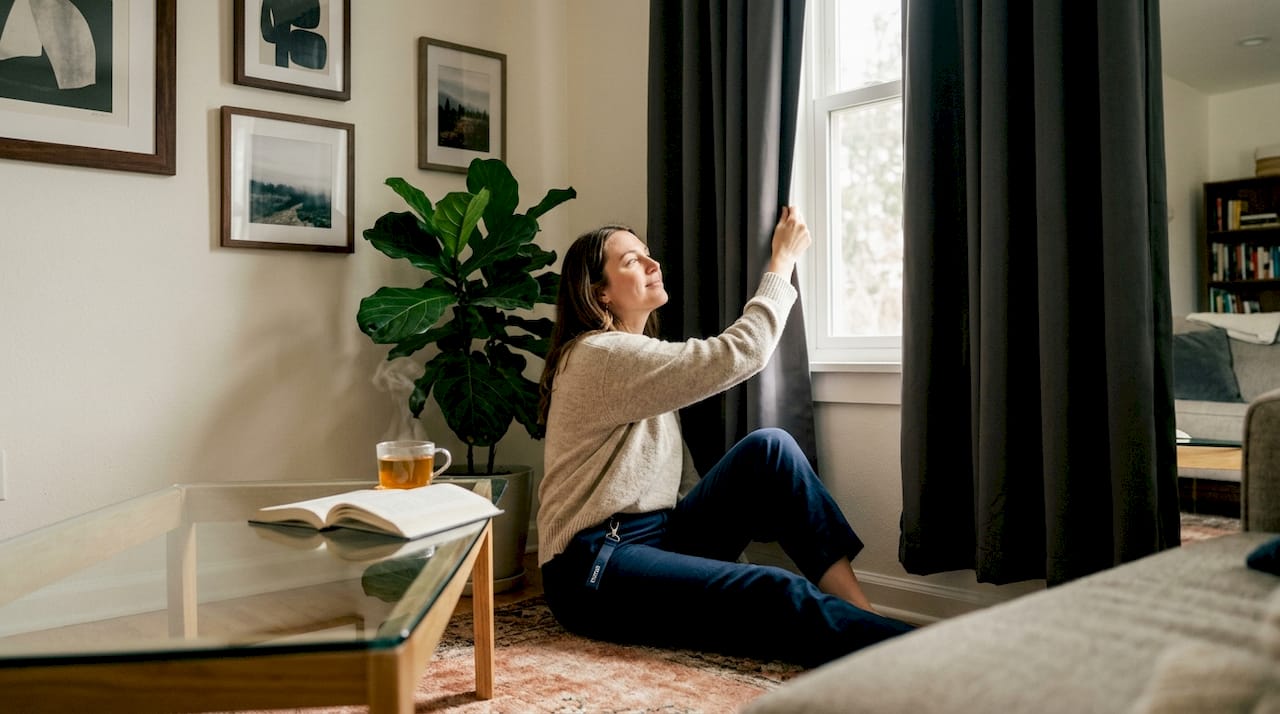
Closing off unused rooms is equally effective. Seal door gaps with rolled towels to contain the cooler air in the rooms you actually occupy. This concentrates whatever passive cooling exists and prevents hot air from migrating through the house. The goal is to create a smaller, manageable cool zone rather than trying to cool the entire home.
Avoid using heat-generating appliances while you wait. Ovens, clothes dryers, and incandescent light bulbs all add measurable heat to your indoor environment. Switch to microwave cooking, air-dry laundry, and use LED lighting only. These changes are small individually but add up quickly in a sealed home.
| Heat source | Impact on indoor temp | Better alternative |
|---|---|---|
| Oven use | Raises kitchen temp significantly | Microwave or outdoor grill |
| Clothes dryer | Adds heat and humidity | Air-dry indoors or outside |
| Incandescent bulbs | Emit 90% of energy as heat | LED bulbs |
| South/west windows | Major solar gain in afternoon | Blackout curtains or reflective film |
Pro Tip: Insulated blackout curtains offer better heat blocking than standard curtains because they add a thermal barrier layer. They are worth the investment even after your AC is repaired.
What are the most effective ways to cool your body directly?
Cooling your body directly is faster and more reliable than trying to cool the entire room. Cold compresses applied to pulse points like your wrists, neck, temples, and the backs of your knees lower your core blood temperature faster than dampening skin generally. This works because major blood vessels run close to the surface at these points, and cooling them circulates cooler blood through your body quickly.
Follow these steps to manage body temperature effectively:
- Apply a cold, damp cloth or ice pack wrapped in a thin towel to your wrists and neck for 10–15 minutes at a time.
- Take a cool shower, not ice cold. Extremely cold water causes blood vessels to constrict, which actually traps heat inside. Lukewarm water is more effective.
- Drink water consistently throughout the day. Avoid caffeine and alcohol, both of which accelerate dehydration.
- Wear loose, light-colored, breathable clothing made from cotton or linen.
- Rest in the lowest level of your home. Heat rises, so ground floors and basements stay naturally cooler.
Fans create a wind-chill effect that makes you feel 4–6°F cooler on your skin. They do not lower actual room temperature. Turn fans off when you leave the room because a running fan in an empty room adds slight heat without any cooling benefit.
Pro Tip: Place a shallow bowl of ice or a frozen water bottle in front of a desk fan. The air passing over the ice picks up cold and delivers a localized chill that is noticeably more effective than a fan alone.
One important caveat: evaporative cooling methods like swamp coolers and damp towels work only in dry climates. In humid regions where humidity exceeds 60%, these methods add moisture to the air and make discomfort worse. In Northern Virginia, where summer humidity is high, focus on shade, fans, and direct body cooling instead.
When should you relocate or call for emergency HVAC repair?
Indoor temperature is the clearest signal for when to act urgently. Healthy adults can tolerate indoor temperatures of 85–90°F for short periods. Temperatures above 85°F become dangerous for elderly adults, young children, and anyone with a chronic illness within hours, not days. If vulnerable family members are present and the home is climbing past 85°F, relocating is the right call.
Recognize these signs of heat-related illness and act immediately:
- Heavy sweating that suddenly stops
- Rapid or weak pulse
- Nausea, confusion, or slurred speech
- Skin that is hot, red, and dry
- Fainting or loss of consciousness
Public cooling centers, libraries, shopping malls, and community centers are free options for temporary relief. Many Northern Virginia municipalities open designated cooling centers during heat emergencies. Call your local government or check their website to find the nearest location.
When you call for emergency HVAC repair, communicate clearly. Tell the dispatcher the indoor temperature, how long the system has been down, and whether vulnerable household members are present. Emergency diagnostic visits typically cost $80–$200. Common repairs range from $150 to $1,500 or more, and major system replacements start at $4,000. Request a written estimate before any work begins to avoid billing surprises.
Pro Tip: Identify your backup cooling location before summer starts. Know the address of your nearest cooling center, a family member’s home, or a pet-friendly hotel. Having a plan removes the stress of deciding under heat pressure.
How do you manage fans and ventilation safely while waiting?
Ventilation strategy depends entirely on whether outdoor air is cooler than indoor air. Cross-ventilation works only when outside temperatures drop below indoor temperatures, which typically happens after 9:00 PM in summer. Open windows on opposite sides of the house to create airflow through the space. During the afternoon, keep windows closed to trap whatever cooler air remains inside.
- Open windows only when outdoor air is cooler than indoor air
- Position a fan to blow outdoor air in through a shaded window and exhaust hot air out through a window on the opposite side
- Set ceiling fans to run counter-clockwise at high speed for maximum downward airflow and wind-chill effect
- Turn ceiling fans off when you leave the room
- Avoid bathroom and kitchen exhaust fans during peak heat hours unless removing steam or cooking heat, as they pull conditioned air out and draw hot air in
High humidity reduces the effectiveness of all air movement strategies. In humid conditions, focus on minimizing heat sources and using direct body cooling rather than relying on ventilation alone. Check your HVAC system FAQs for guidance on what ventilation settings are safe to adjust without affecting your repair.
Pro Tip: Use a simple indoor thermometer and hygrometer to monitor both temperature and humidity in real time. Adjust your ventilation strategy based on actual readings rather than guessing. These devices cost under $20 and give you reliable data to act on.
Key Takeaways
Staying cool during an HVAC outage requires combining direct body cooling, solar heat blocking, and smart ventilation while knowing exactly when indoor temperatures demand urgent action.
| Point | Details |
|---|---|
| Run basic checks first | Verify thermostat, reset breakers, and replace filters before calling a technician. |
| Block solar heat gain | Blackout curtains or reflective film can cut indoor temps by 10–15°F during peak hours. |
| Cool your body directly | Apply cold compresses to pulse points and take cool showers for faster relief than cooling the room. |
| Know the safety threshold | Temperatures above 85°F are dangerous for elderly, children, and chronically ill individuals. |
| Ventilate only when it helps | Open windows only when outdoor air is cooler than indoor air, typically after 9:00 PM. |
What I’ve learned after 20 years of HVAC calls in Northern Virginia
The homeowners who handle an HVAC breakdown best are the ones who stay calm and methodical. Panic leads to bad decisions, like attempting repairs that void warranties or calling for emergency service before checking a tripped breaker. I have seen that simple fix resolve the situation more times than most homeowners expect.
The safety of vulnerable family members has to drive every decision. If there is an elderly parent or a young child in the home and the temperature is climbing, that is not the moment to wait and see. Relocate first, then manage the repair from a safe location. No repair timeline is worth a heat-related medical emergency.
Documenting what the system is doing before the technician arrives genuinely speeds up the diagnosis. Note the sounds, the error codes, and when the problem started. Technicians work faster with good information, and faster diagnosis means lower labor costs for you. That habit alone has saved homeowners real money on service calls.
Good home efficiency habits also reduce how often breakdowns happen. Clean filters, clear condenser units, and properly sealed windows all reduce the load on your HVAC system. The homes that call us least often are the ones that do the basics consistently. Choosing a reputable HVAC contractor in Northern Virginia for annual maintenance is the single best investment you can make in avoiding emergency situations.
— Sam
Fast, reliable HVAC repair from Sam & Sons Services
When your AC goes down in summer, you need a licensed technician who shows up fast and gives you a straight answer on cost before touching anything.

Sam & Sons Services provides emergency and priority HVAC repair in Fairfax VA and throughout Northern Virginia, including Alexandria, Lorton, Arlington, and Washington, DC. Our licensed and insured technicians provide written estimates before any work begins. We are available 24/7 for urgent repairs and handle everything from diagnostic visits to full system replacements. Beyond HVAC, our team covers plumbing, electrical, and general handyman services so you get one trusted company for your home’s most critical needs. Call Sam & Sons Services today or schedule your repair online.
FAQ
What is the safest indoor temperature during an HVAC outage?
Healthy adults can tolerate 85–90°F for short periods, but temperatures above 85°F become dangerous for elderly adults, young children, and chronically ill individuals within hours.
Can I use a swamp cooler in Northern Virginia while waiting for HVAC repair?
Evaporative coolers are not effective in humid climates. Northern Virginia summers regularly exceed 60% humidity, which makes swamp coolers add moisture and increase discomfort rather than reduce it.
What simple checks should I do before calling a technician?
Verify the thermostat is set to “cool,” check the circuit breaker for a tripped switch, and replace a dirty air filter. These three checks resolve many AC failures and can restore partial cooling at no cost.
How much does an emergency HVAC diagnostic visit cost?
Emergency diagnostic visits typically cost $80–$200. Common repairs range from $150 to $1,500 or more depending on the issue, and major system replacements start at $4,000. Always request a written estimate before work begins.
How do fans help when the AC is down?
Fans create a wind-chill effect that makes skin feel 4–6°F cooler without actually lowering room temperature. Turn fans off when you leave the room to avoid adding unnecessary heat to an unoccupied space.


You must be logged in to post a comment.