 Skip to content


A general handyman is defined as a skilled tradesperson who manages small-to-medium repairs across multiple home systems without specializing in a single trade. The common home repairs a handyman handles span plumbing fixes, electrical installations, drywall patching, and mounting jobs. Knowing which tasks fall within a handyman’s scope helps you avoid overpaying a licensed contractor for simple work and prevents you from attempting repairs that carry real safety risk. Basic tools like drills, screwdrivers, and adjustable wrenches appear in nearly every handyman repair job, and understanding their use builds your confidence as a homeowner.
What are the most common plumbing repairs a handyman can do?
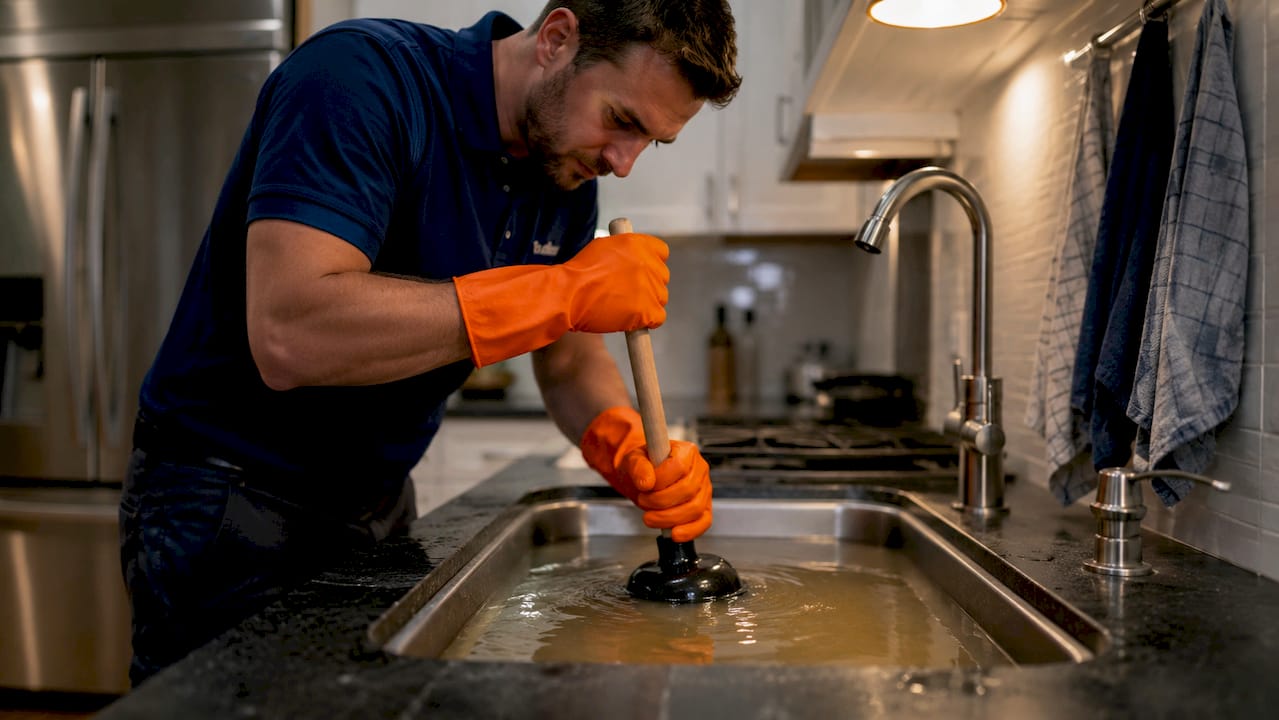
Handyman services cover plumbing tasks like fixing leaky faucets, unclogging drains, and replacing fixtures such as showerheads and bathroom faucets. These are the household repair services most homeowners need at least once a year. A dripping faucet wastes water and raises utility bills, and a handyman can replace a worn washer or cartridge in under an hour.
Common plumbing tasks a handyman handles include:
- Leaky faucet repair: Replacing worn washers, O-rings, or cartridges in kitchen and bathroom faucets
- Drain cleaning: Clearing slow or clogged drains in sinks, tubs, and showers using a drain snake or plunger
- Toilet repairs: Fixing running toilets by replacing flappers, fill valves, or flush handles
- Fixture replacement: Swapping out showerheads, faucets, and supply lines
- Pipe leak patches: Sealing minor pipe joint leaks with plumber’s tape or compression fittings
A handyman is not a licensed plumber. Major plumbing work requires licensed professionals, including water main repairs, gas line work, and full pipe replacements. Attempting those jobs without a license creates liability and can void your homeowner’s insurance.
Pro Tip: Before calling a handyman for a slow drain, try a simple plunger first. If the clog returns within a week, clearing slow drains safely may require a professional snake or camera inspection to rule out a deeper blockage.
How do handymen handle common electrical repairs safely?
A handyman can install or replace light fixtures, ceiling fans, outlets, and switches safely when the work does not require new wiring or permits. These are among the most requested handyman repair jobs because homeowners often lack confidence around electricity. The key distinction is scope: swapping a fixture on an existing circuit is manageable, while running new circuits or rewiring a panel is not.
Typical electrical tasks a handyman handles:
- Light fixture replacement: Removing old fixtures and installing new ones on existing junction boxes
- Ceiling fan installation: Mounting fans on rated ceiling boxes and connecting existing wiring
- Outlet and switch replacement: Swapping defective outlets, GFCI outlets, and light switches
- Basic troubleshooting: Identifying tripped breakers, loose connections, or defective switches causing flickering lights
Safety note: Handymen avoid work requiring permits such as full electrical rewiring or new circuit installation. Those jobs demand a licensed electrician. Attempting them without a license creates fire risk and legal exposure.
Required tools for safe electrical work include a non-contact voltage tester, insulated screwdrivers, and a circuit breaker finder. A handyman always tests for live current before touching any wiring. If you are unsure whether a job crosses into licensed territory, understanding handyman vs. contractor scope prevents costly mistakes.
Pro Tip: Always turn off the breaker and confirm the circuit is dead with a voltage tester before any electrical work. A $15 non-contact tester is the single most important safety tool in any home repair kit.
What drywall and painting repairs do handymen typically perform?
Drywall and paint touch-ups are among the most visible common home fixes a handyman handles. Small holes from nails, doorknob impacts, or settling cracks are standard handyman repair jobs that restore walls to a clean finish. Left unaddressed, minor cracks can grow and allow moisture to penetrate interior walls.
A handyman typically follows this process for drywall repairs:
- Clean the damaged area by removing loose material and widening cracks slightly for better adhesion
- Apply spackle or joint compound using a putty knife, filling the hole or crack flush with the wall surface
- Sand smooth once dry, using 120-grit sandpaper for small patches or a sanding block for larger areas
- Match texture by applying a light spray texture or stippling with a brush before painting
- Prime and paint the patched area, blending with the surrounding wall color
Texture matching is the step most homeowners underestimate. A flat patch on a textured wall stands out clearly under light. A skilled handyman carries multiple texture techniques including orange peel, knockdown, and smooth finish to match existing walls accurately.
Pro Tip: Always prime a drywall patch before painting. Skipping primer causes the paint to absorb unevenly, leaving a visible “flash” spot even after multiple coats.
For larger drywall damage covering more than a square foot, a general contractor or drywall specialist is the better call. Structural damage behind the wall, such as water-damaged studs, also exceeds standard handyman scope.
Which mounting and installation services do handymen offer?
Mounting and installation work represents a large share of professional handyman services because these jobs require precision tools and wall knowledge that most homeowners lack. Mounting a TV incorrectly on drywall without hitting studs is a common and expensive mistake. A handyman uses a stud finder, level, and appropriate anchors to complete the job correctly the first time.
| Mounting or installation task | Key tools required | Typical time |
|---|---|---|
| TV and soundbar mounting | Stud finder, level, drill, mount hardware | 1–2 hours |
| Curtain rod and blind installation | Drill, level, wall anchors | 30–60 minutes |
| Shelf and picture hanging | Stud finder, level, drill, anchors | 30–90 minutes |
| Furniture assembly | Screwdrivers, Allen wrenches, mallet | 1–3 hours |
| Mirror and artwork hanging | Level, picture hooks, wall anchors | 30–60 minutes |
Bundling these jobs into a single visit is the most cost-efficient approach. Handymen often apply minimum visit charges, meaning you pay for at least one to two hours regardless of how small the task is. Grouping your TV mount, curtain rods, and shelf installation into one appointment eliminates multiple trip fees.
Additional mounting services include:
- Smart doorbell and security camera installation
- Bathroom grab bar installation for accessibility
- Outdoor lighting fixture mounting
- Garage storage rack assembly and installation
How to decide when to DIY a repair or hire a handyman?
DIY is appropriate only for simple tasks that require no special tools and carry no safety risk. Replacing a light switch cover, tightening a loose cabinet hinge, or touching up paint are reasonable DIY tasks for most homeowners. Anything involving live electrical circuits, pressurized plumbing, or structural components warrants professional help.
A practical framework for the decision:
- Assess the risk: Electrical and plumbing failures can cause injury, flooding, or fire. When safety is uncertain, professional help is the right call.
- Check your tools: A repair requiring a tile saw, pipe threader, or oscillating multi-tool is a signal the job exceeds basic DIY scope.
- Estimate the cost of failure: A botched drywall patch costs $50 to redo. A botched plumbing repair can cost thousands in water damage.
- Know the permit rules: Using a generalist for major structural or electrical work creates insurance and liability risks if permits were required.
Handyman pay averages $28–$35 per hour depending on expertise and project complexity. That rate is significantly lower than a licensed plumber or electrician, making a handyman the cost-efficient choice for minor multi-trade repairs.
Pro Tip: Create a master repair list before calling a handyman. Group repairs by room and note the materials already on hand. This lets the handyman give an accurate estimate and arrive prepared, cutting total visit time.
Every homeowner should keep a basic toolkit: a cordless drill, a set of screwdrivers, a level, a stud finder, a tape measure, and a putty knife. These tools cover the majority of simple home maintenance tasks and help you assess whether a repair is truly DIY-friendly before committing.
Key takeaways
A handyman is the most cost-efficient choice for minor plumbing, electrical, drywall, and mounting repairs, but licensed contractors are required for permitted or structural work.
| Point | Details |
|---|---|
| Handyman repair scope | Covers plumbing fixtures, light installations, drywall patches, and mounting jobs across multiple trades. |
| Know the limits | Handymen avoid permitted work like full rewiring, gas lines, and structural changes. |
| Bundle repairs to save money | Grouping multiple small jobs into one visit eliminates minimum trip charges. |
| Prepare a repair list | A written list before the appointment improves estimates and cuts total visit time. |
| DIY only for low-risk tasks | Attempt only repairs with no safety risk and no specialized tools required. |
What 20 years of handyman work taught me about homeowner decisions
The most common mistake I see homeowners make is not calling too late. It is calling too early without a clear picture of what they need. A homeowner who calls and says “something is dripping” takes twice as long to help as one who says “my kitchen faucet drips at the base when running.” That specificity changes everything: the parts we bring, the time we block, and the final cost.
The second thing I have learned is that most homeowners dramatically underestimate the value of bundling. They call once for a ceiling fan, then again two weeks later for curtain rods, then again for a shelf. Each visit carries a minimum charge. Three separate visits for jobs that take 90 minutes combined is money left on the table. A good handyman FAQ resource will tell you the same thing: write the list first, then make one call.
The third lesson is harder to say but worth saying. Some homeowners push handymen to do work outside their licensed scope because it seems faster or cheaper. It is neither. A handyman who agrees to rewire a circuit or move a gas line without a permit is putting your home and your insurance at risk. The right answer is always to refer that work to a licensed professional, even when the homeowner pushes back. That boundary protects everyone.
— Sam
Sam and Sons Services handles your home repairs right
Sam and Sons Services has served homeowners across Northern Virginia and Washington DC for over 20 years, handling the full range of common home fixes from leaky faucets and drywall patches to TV mounting and ceiling fan installation.

Whether you need a single repair or a full list of home maintenance tasks completed in one visit, Sam and Sons Services brings licensed, insured professionals to your door with fast response times and upfront pricing. Homeowners in Alexandria, Arlington, and Washington DC rely on Sam and Sons for quality work and clear communication. Get answers to your repair questions and schedule your appointment through the Sam & Sons handyman FAQ page.
FAQ
What repairs can a handyman do without a license?
A handyman can fix leaky faucets, patch drywall, replace light fixtures and ceiling fans, install shelves and curtain rods, and assemble furniture. These tasks do not require permits or licensed trade credentials.
What home repairs require a licensed contractor instead?
Full electrical rewiring, gas line work, structural changes, and major plumbing replacements require licensed contractors. Handymen avoid permit-required work to protect homeowners from safety and insurance risks.
How much does a handyman charge per hour?
Handyman rates average $28–$35 per hour depending on the complexity of the work and the handyman’s experience level.
Is it worth bundling home repairs into one handyman visit?
Bundling repairs into one visit saves money because most handymen apply a minimum visit charge. Combining a TV mount, shelf installation, and faucet repair into one appointment eliminates multiple trip fees.
How do I prepare for a handyman visit?
Write a complete repair list before calling, noting each issue by room and any materials you already have. A clear list allows the handyman to provide an accurate estimate and arrive with the right tools.


You must be logged in to post a comment.