 Skip to content

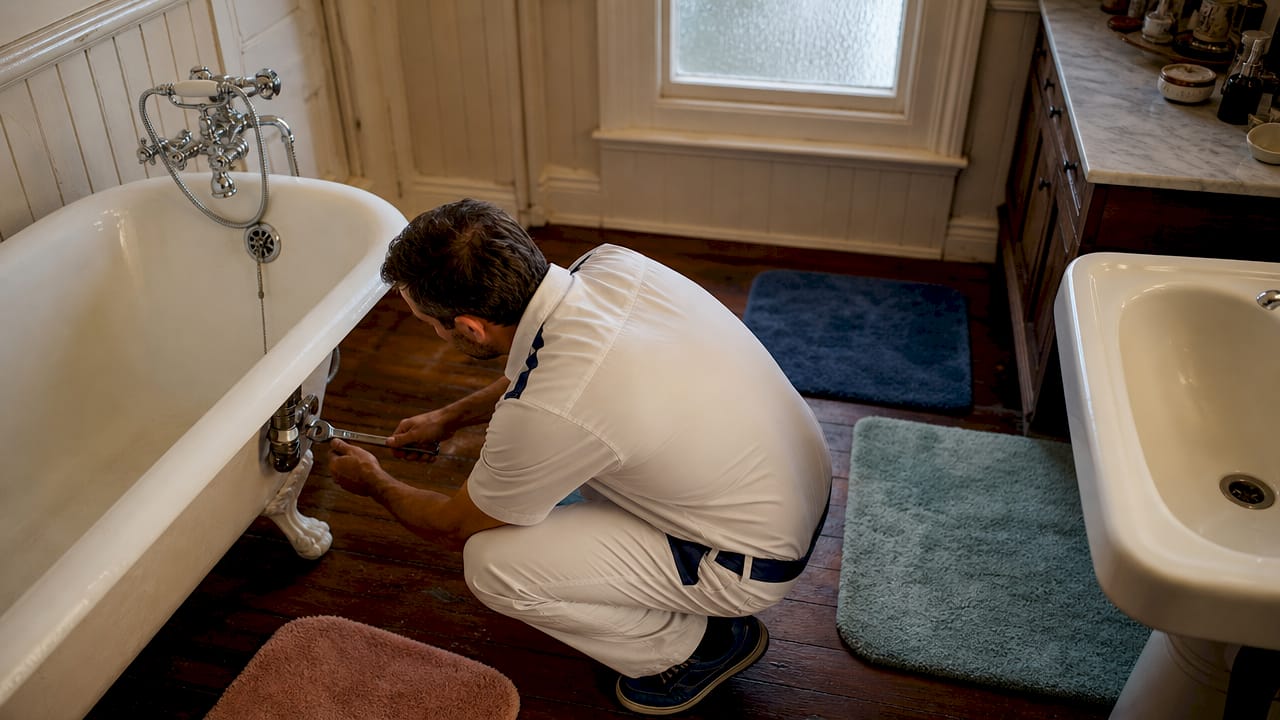
Landlords are legally required to maintain functional plumbing in every rental unit they own. This obligation is not optional or negotiable. It flows directly from the implied warranty of habitability, a legal standard recognized in most U.S. jurisdictions that requires rental properties to remain safe and livable throughout the tenancy. Understanding why landlords must fix plumbing issues protects you from costly legal disputes, tenant turnover, and property damage that compounds over time.
Why landlords must fix plumbing issues: the legal framework
The implied warranty of habitability is the foundation of every landlord’s repair duty. It requires that rental units meet basic health and safety standards, and functional plumbing is one of those standards. Courts across the country have consistently ruled that major plumbing failures, such as a collapsed sewer line or a broken water supply, make a unit uninhabitable.
Lease language cannot override this duty. Courts invalidate clauses that attempt to shift major plumbing repairs onto tenants. A landlord can assign minor maintenance tasks, such as replacing a showerhead, to a tenant. But anything that affects the core function of the plumbing system stays with the landlord.
Here is a clear breakdown of who is responsible for what:
Landlord responsibilities:
- Repairing burst pipes, sewer line failures, and water heater breakdowns
- Fixing leaks that cause water damage or mold growth
- Maintaining drain systems and main supply lines
- Addressing any plumbing failure that affects sanitation or water access
Tenant responsibilities:
- Reporting plumbing problems promptly in writing
- Avoiding misuse that causes clogs or damage
- Replacing minor fixtures when the lease specifically assigns that task
Northern Virginia courts apply Virginia law, which makes the same point clearly: landlords must keep rental properties fit and habitable, including maintaining plumbing and sanitary systems in good and safe working order, not just at move-in but throughout the tenancy.
Pro Tip: Review your lease annually to confirm no clause attempts to transfer major repair duties to tenants. Courts will void those clauses, but they can still trigger disputes that cost you time and money.
How quickly must landlords respond to plumbing issues?
Response time depends on the severity of the problem. Emergency plumbing repairs require action within 24 hours. Non-emergency repairs may allow up to 30 days depending on your jurisdiction. Knowing the difference protects you legally and keeps tenants safe.
Urgency tiers for landlord plumbing repairs:
- Immediate (within 24 hours): Burst pipes, sewage backups, complete loss of hot water, gas line leaks connected to plumbing fixtures, flooding
- Urgent (within 3–7 days): Significant leaks causing water damage, non-functional toilets in a single-bathroom unit, water heater failures in cold months
- Non-urgent (within 30 days): Slow drains, minor faucet drips, low water pressure without a safety risk
| Urgency Level | Example Issue | Response Window |
|---|---|---|
| Emergency | Sewage backup, burst pipe | Within 24 hours |
| Urgent | Leaking water heater, broken toilet | 3–7 days |
| Non-urgent | Slow drain, dripping faucet | Up to 30 days |
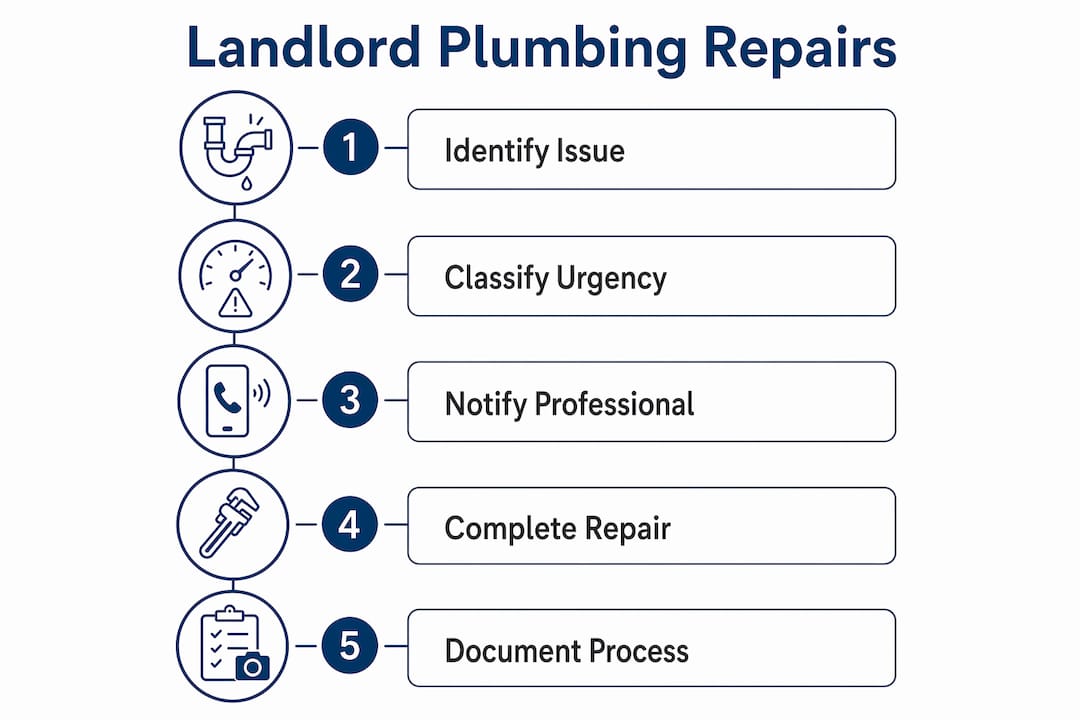
Understanding plumbing emergency types helps you classify issues correctly the moment a tenant calls. Misclassifying an emergency as non-urgent is one of the most common ways landlords end up in housing court.
Why timely plumbing repair protects your property and tenants
Delayed repairs do not stay small. Untreated plumbing problems lead to water damage, mold growth, and health hazards that require far more expensive remediation than the original fix would have cost. A slow leak under a kitchen sink can rot the cabinet floor, damage the subfloor, and create mold colonies within days.
“Legal habitability standards exist to prevent small plumbing failures from escalating into health and safety hazards.” This principle means that acting early is not just good practice. It is the standard the law expects.
Mold is a particular concern. Once mold takes hold in walls or flooring, remediation costs multiply quickly. Tenants with respiratory conditions face real health risks. That exposure creates liability for you as the property owner.
The financial case for prompt repairs is straightforward:
- A dripping faucet fixed early costs far less than replacing water-damaged flooring
- A repaired pipe joint prevents structural damage to walls and ceilings
- Addressing root causes protects property value and keeps insurance claims off your record
- Tenants who see fast repairs stay longer, reducing vacancy costs
Tenant satisfaction is directly tied to how you handle maintenance. Reliable plumbing is one of the top factors tenants cite when deciding whether to renew a lease. Losing a good tenant over an ignored leak costs far more than the repair itself.
What common pitfalls do landlords face with plumbing repairs?
The most expensive landlord mistake is fixing the visible symptom instead of the underlying cause. Ignoring root causes like a failing sewer stack while repeatedly snaking a drain puts you in a cycle of recurring problems and tenant complaints. Each temporary fix delays the inevitable and adds cost.
Documentation is the second major failure point. Many jurisdictions require written repair requests to start the legal repair clock. Informal text messages may not meet that standard. Without a paper trail, you lose legal standing even if you eventually make the repair.
Pro Tip: Set up a simple email-based repair request system. Every request goes to a dedicated inbox, gets a timestamped reply, and is logged in a spreadsheet. This takes five minutes to set up and protects you in any dispute.
Common pitfalls to avoid:
- Relying on verbal reports instead of written repair requests
- Patching visible leaks without inspecting the pipe system for additional failures
- Using unlicensed contractors who deliver substandard work that fails again quickly
- Failing to follow up after repairs to confirm the issue is fully resolved
- Ignoring tenant complaints until they escalate to housing authority complaints
Clear communication with tenants also matters. Acknowledge every repair request within 24 hours, even if the repair itself takes longer. Tenants who feel heard are far less likely to escalate to legal action.
Best practices for landlord plumbing maintenance
Proactive maintenance is the most cost-effective approach to landlord plumbing maintenance. Waiting for failures means paying emergency rates and dealing with tenant disruption. A scheduled inspection program catches problems before they become crises.
- Schedule annual plumbing inspections. Have a licensed plumber inspect supply lines, drain systems, water heaters, and fixtures every year. This catches slow leaks, corrosion, and pressure issues before they cause damage.
- Inspect water heaters every two years. Sediment buildup reduces efficiency and shortens lifespan. Flushing the tank and checking the anode rod extends service life significantly.
- Check under sinks and around toilets at every unit turnover. Tenant move-out is the best time to spot slow leaks that were never reported.
- Use licensed, insured plumbers for all repairs. Unlicensed work may void your property insurance and create liability if the repair fails. Always verify credentials before hiring.
- Keep a repair log for each unit. Record every issue, every repair, and every contractor visit. This log is your legal protection and your maintenance history in one place.
- Install water leak detectors in high-risk areas. Devices placed under sinks, near water heaters, and behind washing machines alert you to leaks before they cause damage. The cost is minimal compared to water damage remediation.
The benefits of 24/7 plumber availability are especially relevant for landlords managing multiple units. Having a trusted plumber on call means emergencies get handled fast, which limits damage and keeps you compliant with repair timelines.
Key takeaways
Landlords who fix plumbing issues promptly protect their properties, satisfy legal obligations, and retain tenants longer than those who delay repairs.
| Point | Details |
|---|---|
| Legal duty is non-negotiable | The implied warranty of habitability requires functional plumbing in every rental unit. |
| Timelines vary by urgency | Emergencies require action within 24 hours; non-urgent repairs allow up to 30 days. |
| Delayed repairs cost more | Untreated leaks cause water damage, mold, and health hazards that multiply remediation costs. |
| Documentation protects landlords | Written repair requests trigger legal timelines and provide evidence in any dispute. |
| Proactive maintenance reduces risk | Annual inspections and licensed contractors prevent failures before they affect tenants. |
What 20 years of rental repairs taught me about plumbing
After working with landlords across Northern Virginia for over two decades, one pattern stands out clearly. The landlords who face the fewest legal problems and the lowest maintenance costs are the ones who treat plumbing as an ongoing system to manage, not a series of emergencies to react to.
The landlords who call us in crisis mode almost always have the same story: a small leak was reported, it seemed minor, and it got pushed to the back of the list. Weeks later, there is a mold problem, a damaged subfloor, and a tenant threatening to withhold rent. The original repair would have cost a few hundred dollars. The remediation costs several thousand.
Tenant trust is built on reliability. When a tenant reports a plumbing problem and sees it fixed within a day or two, they feel respected. That feeling translates directly into lease renewals and referrals. Landlords who are slow to respond see higher turnover, and turnover is the most expensive line item in any rental property budget.
The legal side is equally clear. Courts do not look favorably on landlords who delay repairs, especially when there is a written record of the tenant’s notice. Proactive maintenance is not just good property management. It is the financially sound approach that protects your investment for the long term.
— Sam
Plumbing repairs landlords in Northern Virginia can count on
Sam & Sons Services has served landlords, property managers, and homeowners throughout Northern Virginia for over 20 years. When a tenant reports a plumbing emergency, you need a licensed team that responds fast, diagnoses the root cause, and fixes it right the first time.

Sam and Sons Services is available 24/7 for urgent plumbing repairs across Alexandria, Fairfax, Burke, Annandale, and the surrounding area. Whether you need a 24/7 plumber in Fairfax or routine maintenance scheduled across multiple units, the team delivers quality workmanship backed by full licensing and insurance. Get answers to common repair questions on the handyman services FAQ page, or call to schedule service today.
FAQ
What does the implied warranty of habitability require for plumbing?
The implied warranty of habitability requires landlords to maintain functional plumbing that supports safe and sanitary living conditions. Major failures like sewage backups or loss of running water make a unit legally uninhabitable.
How long does a landlord have to fix a plumbing emergency?
Most jurisdictions require landlords to address plumbing emergencies within 24 hours. Non-emergency repairs typically allow up to 30 days, though local housing codes set the exact standard.
Can a lease make tenants responsible for plumbing repairs?
Leases can assign minor maintenance tasks to tenants, but courts reject clauses that transfer major plumbing repairs. The landlord’s duty under habitability law cannot be waived by lease language.
What happens if a landlord ignores a plumbing repair request?
Tenants may have the right to withhold rent, repair and deduct costs, or file a complaint with local housing authorities. Landlords who ignore written repair requests face the strongest legal exposure.
Does a written repair request matter legally?
Written repair requests trigger the landlord’s legal repair timeline in many jurisdictions. Informal verbal reports may not start that clock, which is why landlords should require and acknowledge all requests in writing.


You must be logged in to post a comment.