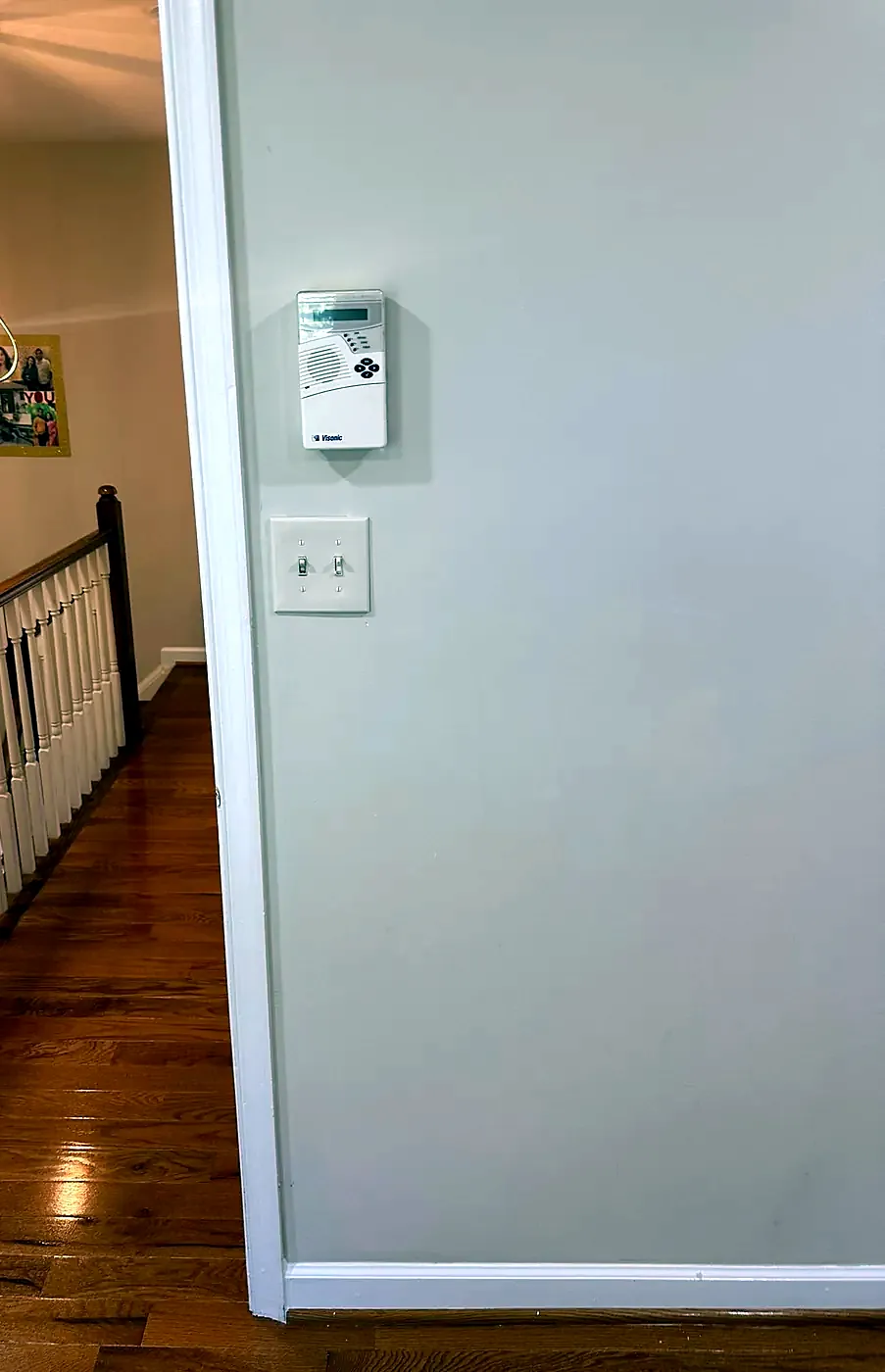
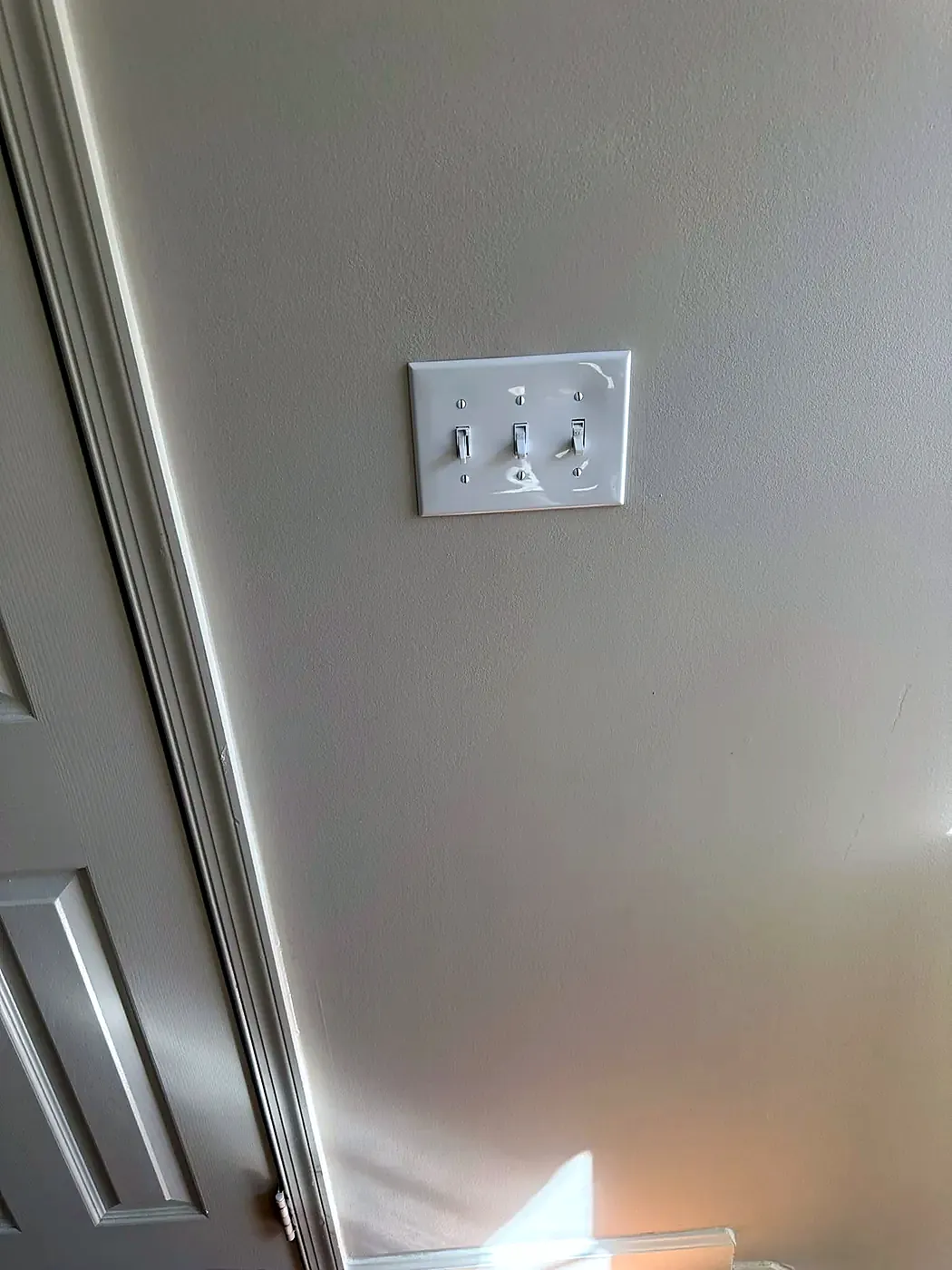
A GFCI device protects people rather than wiring: it compares the current going out with the current coming back and cuts the circuit when the difference suggests electricity is finding another path. Repeated tripping usually means moisture, a failing appliance, a shared neutral or a device at the end of its life — not a nuisance to be reset and ignored. Outlets, GFCIs and switches are also where an older house shows its age, in two-prong receptacles with no ground and circuits carrying more than they were run for.
Why a GFCI outlet keeps tripping
A GFCI is not a circuit breaker with a fancier button. It watches for current leaving the circuit by a route it should not take — through water, through a damaged cord, through a person. When one trips repeatedly, it is reporting something, and these are the usual causes:
- Moisture. Bathrooms, exterior receptacles and garages are where GFCIs live and where water gets in. An outdoor box with a failed cover is the classic version.
- A failing appliance downstream. A GFCI protects everything wired after it, so the fault may be three receptacles along, in a freezer or a pump rather than at the device itself.
- A shared or crossed neutral. Where circuits were extended by someone in a hurry, neutrals from two circuits can end up connected, which a GFCI reads as leakage every time.
- The device itself. GFCIs wear out. We replace them as ordinary failed hardware, including loose and non-working kitchen GFCI receptacles found during repair visits.
- Too much on the circuit. Persistent tripping alongside a warm receptacle is a load problem rather than a ground fault, and the answer is usually a dedicated circuit.
The diagnosis matters because the fixes are completely different. Replacing a GFCI that was correctly reporting a fault just moves the problem along — which is why we test downstream before we swap hardware. Where the fault is in the branch wiring, see wiring, circuits and troubleshooting.
Where GFCI outlets are required in a house
Ground fault protection is required in the wet and grounded locations: bathrooms, kitchen countertop receptacles, laundry areas, garages, unfinished basements, crawl spaces and outdoors. We fit it as part of both repair work and remodeling.
It is a common gap in older houses. On one repair list the property had three bathrooms with no GFCI receptacle at all, and those were added as part of the work. On a basement rewire, the washing machine received its own dedicated 12/2 circuit terminating in a single gang box with a GFCI outlet — because a laundry appliance on a wet floor is exactly the case the device exists for.
Protection can be provided at the receptacle or at the panel. On heavier circuits we fit a double pole GFCI breaker instead, which is what we do on receptacle-fed EV charger circuits. Either way it gets tested before we leave.
Replacing ungrounded two-prong outlets
Two-prong receptacles are the most visible sign that a house never had a modern ground path. We still find them, most often in properties still running on an original fuse box, where the service equipment and the branch wiring were both never brought up to current code.
What we will not do is fit a three-prong receptacle onto an ungrounded box and call it solved. That gives you a socket that accepts a grounded plug and no ground behind it, which is worse than the honest two-prong it replaced, because now nobody can tell.
The real options are a proper equipment ground run back to the panel, or ground fault protection fitted and labeled correctly where running a ground is not practical. Which one applies depends on what the branch wiring is and how it is routed, and that is decided on site. Where the whole service is the underlying issue, it usually gets handled with the electrical panel upgrade — a fuse box replacement includes a complete grounding system with two eight-foot ground rods and a ground conductor from the main water line.
Grounding faults are not confined to old houses either. On one property the panel ground wire had been landed on the water heater pipe rather than the main water line. It was corrected as part of the electrical work.
Adding outlets and switches to a finished room
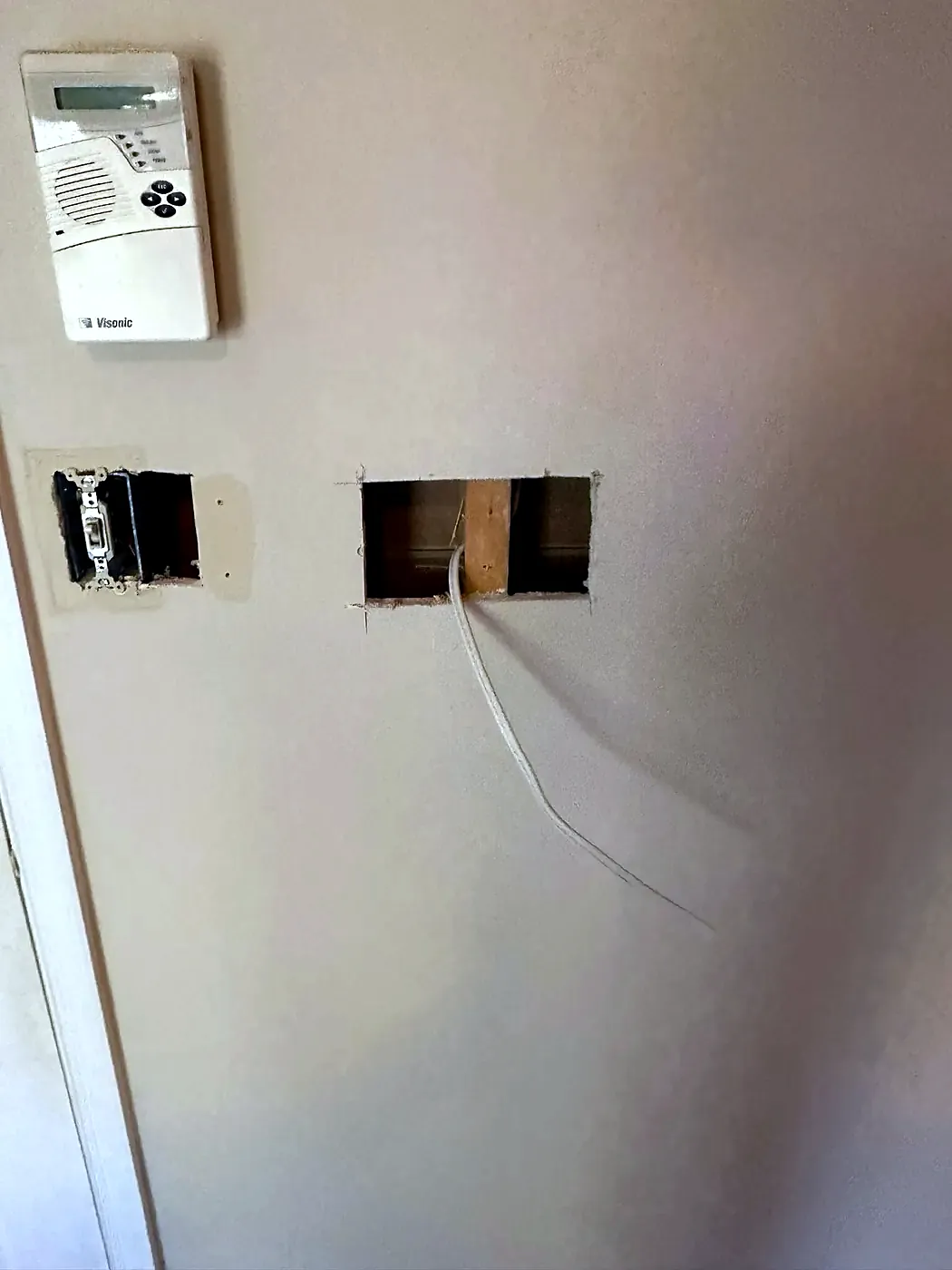
Most of this work is adding capacity to rooms that were built with too little of it. Jobs from our record include an outlet added in a foyer, two outlets added for garage door operators, an outlet installed above a fireplace with HDMI cabling run to it, receptacles added in a garage and pantry that had almost none, and a laundry room receptacle relocated when the room was pushed out to fit a larger washer and dryer.
Two things decide how much work it is:
- Where the circuit is coming from. Adding a receptacle to an existing circuit is one job. Bringing a new run from the panel is another, and if the panel has no spare position it becomes a third.
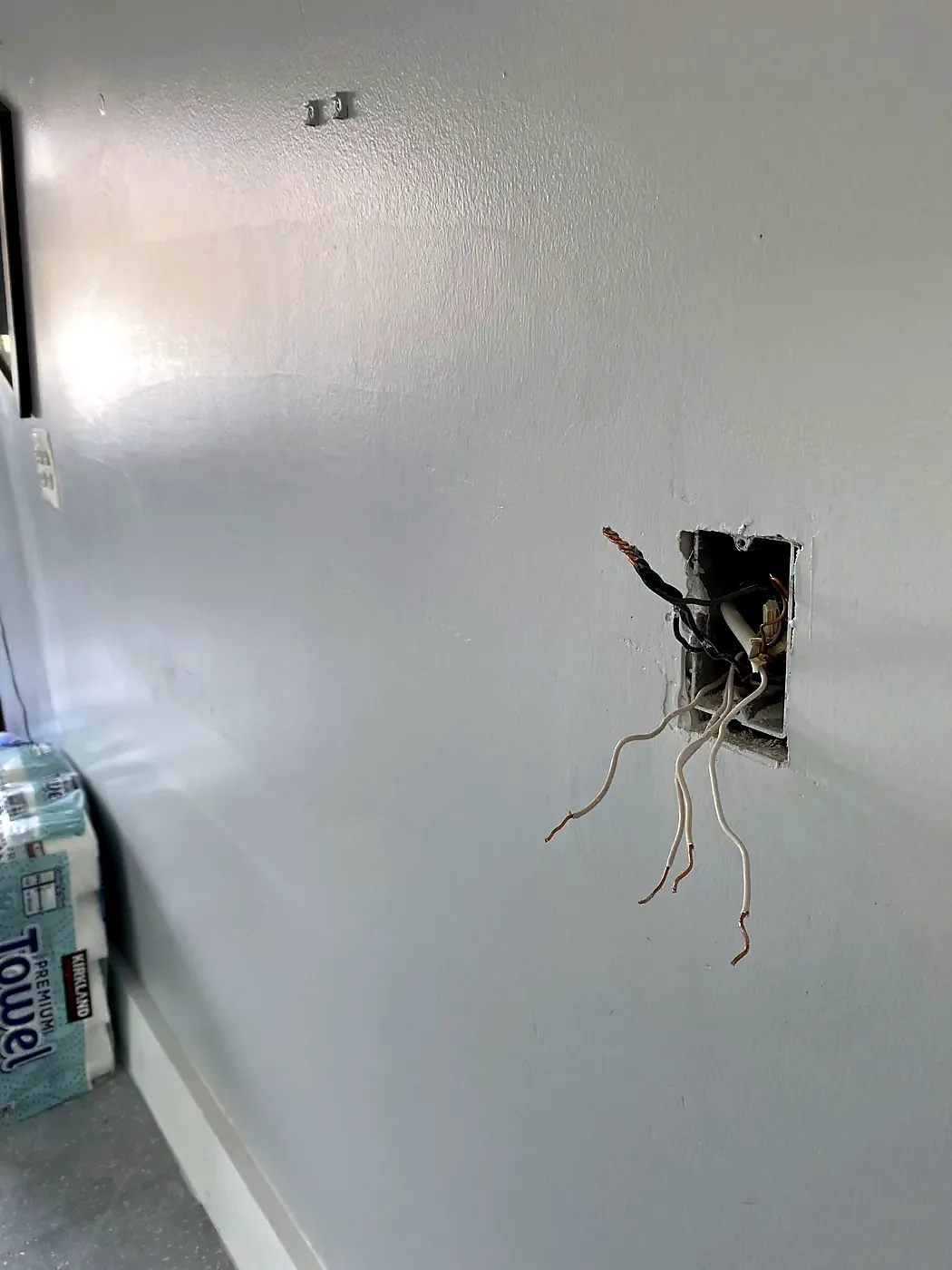
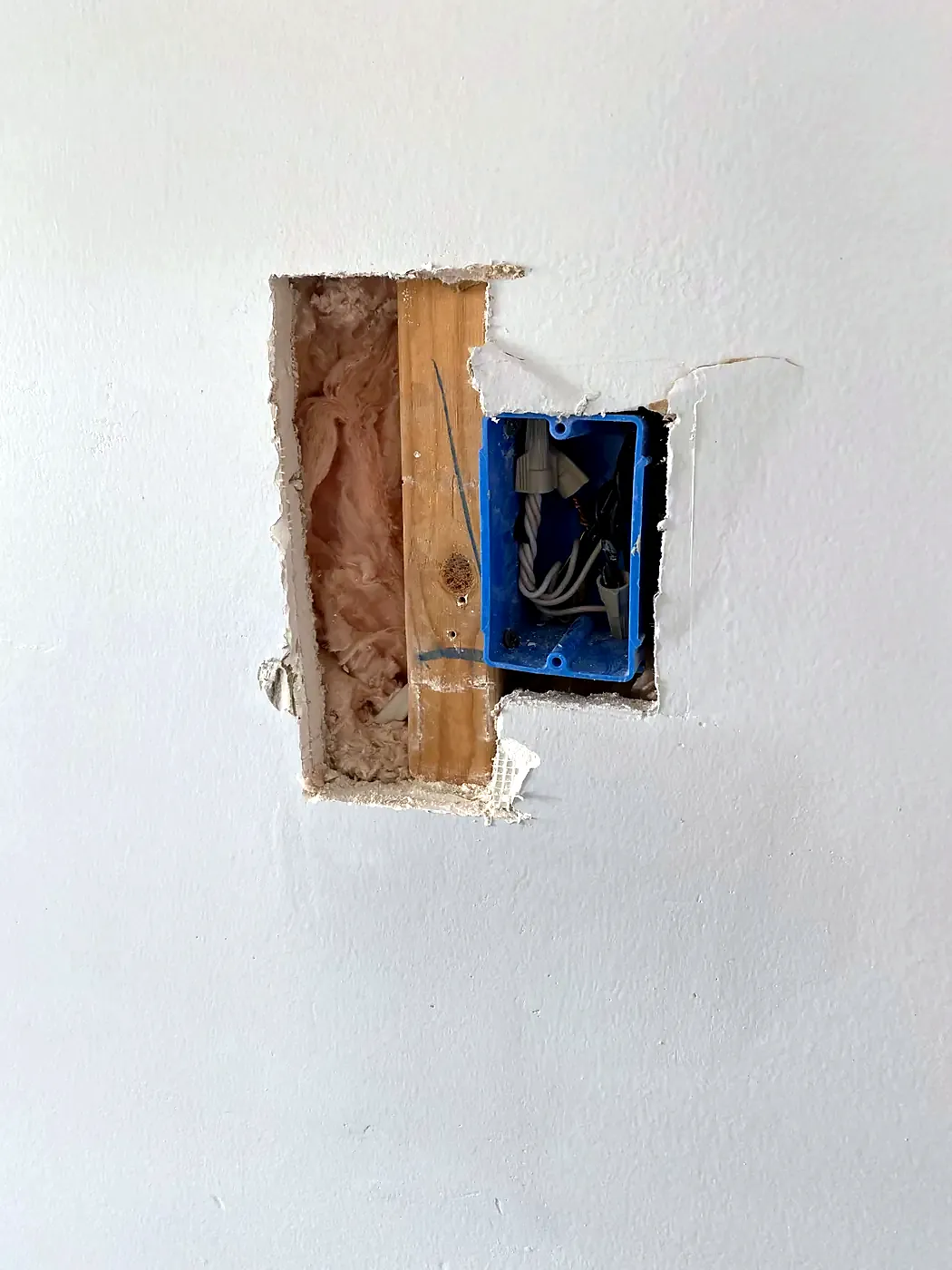
- What is between here and there. Open basement ceilings and unfinished garages are straightforward. Finished walls mean fishing cable, and sometimes opening drywall and making it good afterwards — see drywall and ceiling repair.
There is a threshold worth knowing about. On a lower-level entryway conversion, the number of new receptacles in the room triggered code requirements that the original space had never been held to, so the work included two three-way switches, a ceiling light and receptacles to meet code rather than just the sockets the owner had asked for. That is normal on this kind of job, and it is the sort of thing an estimator should tell you before the contract is signed, not afterwards.
Exterior outlets: weatherproof boxes and covers
An outdoor receptacle is a hole in the building envelope with electricity behind it. When one fails, the enclosure is usually the reason, not the device.
On one job the reported problem was simply an exterior outlet that needed replacing. What it actually needed was the whole assembly: the old junction box and waterproof cover came out and a new junction box with a new waterproof cover went in, so the receptacle was sitting in an enclosure that could keep water out rather than one that had already lost the argument.
The same logic applies to anything mounted outside. Exterior receptacles feeding deck or landscape equipment, outdoor terminations on long circuit runs, and boxes on masonry walls all need the right enclosure and cover, and they are on the list at every exterior electrical visit.
Dimmers, timers and three-way switches
Switch work is rarely just a switch. We standardize on Decora-style switches, outlets and dimmers so that devices across a house match, and the jobs tend to look like this:
- Dimmers
- A standard switch replaced with a dimmer to control new recessed lights is one of the most common items on our electrical lists. Dimmers also fail on their own — we have replaced failing dimmers in two bathrooms on a single repair visit.
- Timer switches
- Exterior fixtures are often run on timers, and timers are a wearing part. Three failing timer switches controlling exterior lights were replaced on one call.
- Three-way switches
- Two switches controlling one light, at the top and bottom of a stair or at each end of a room. Adding a three-way pair to an existing single switch means a new conductor between the boxes, not just new devices.
- Box and gang changes
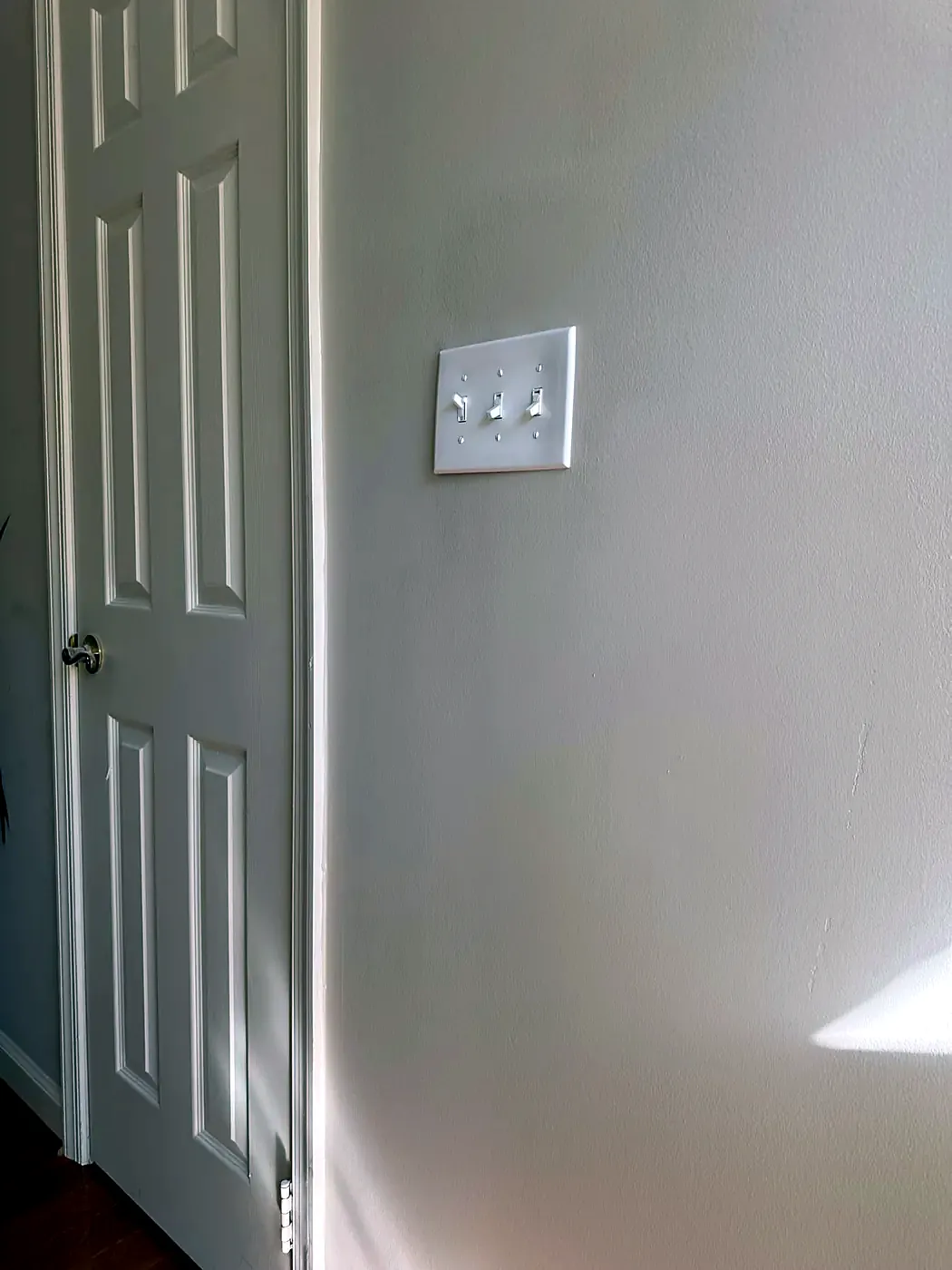
- Adding a control often means a larger box. On a ceiling fan job the switch box was enlarged to a three-gang to take the added fan control, and on a bathroom job a new double gang box and switch were installed to separate an exhaust fan from the light it had been sharing a switch with.
Where the switching is being changed because the lighting is being changed, the two are quoted as one job — see lighting installation.
Dedicated circuits: when outlets keep overloading
If a receptacle trips whenever two appliances run together, the receptacle is not the problem. The circuit is carrying more than it was run for, and the honest fix is to give the heavy load its own circuit.
From our job files: a house on a 100 amp panel where the refrigerator and the kitchen countertop receptacles were overloading and had to be separated onto their own dedicated circuits; a dedicated 14/2 20 amp line run from the panel to a refrigerator with its own single pole breaker; a laundry room given two dedicated circuits, one 10/3 run to a four-prong dryer receptacle in a two-gang box and one dedicated 12/2 to a GFCI receptacle at the washer; and a garage and basement given new dedicated circuits alongside added lighting.
The wrong fix is a bigger breaker on the same wire. It stops the tripping and removes the protection the circuit was built around. If the panel has no room for the circuits a house actually needs, that is a panel conversation rather than a receptacle one.
Do outlets and switches need a permit in Virginia?
It depends on the work. Replacing a failed device — a worn receptacle, a dead dimmer, a GFCI at the end of its life — is maintenance. Adding new circuits, new receptacles and new switches is permitted work, and on our contracts the permit and its processing are included where the county requires them.
The work is performed according to the Virginia building code across Northern Virginia and Washington DC. On remodeling projects the electrical is brought up to current Virginia code as part of the job, with a rough-in inspection before anything is closed up and a final inspection at the end.
One small practice that tells you a lot about a contractor: the panel gets labeled at project completion. If someone adds circuits to your house and leaves the panel directory blank, the next electrician is charging you to work out what they did.
What outlet, GFCI and switch work costs
We do not quote electrical work by phone or publish prices. A receptacle in an open basement ceiling and a receptacle in a plastered second-floor wall are the same device and completely different jobs, and no one can tell which you have without looking.
What actually drives it: how far the circuit has to come, whether the route is open or finished, whether the panel has a spare position, whether existing wiring is grounded, and how much drywall has to be opened and repainted afterwards.
An estimator comes to the property, looks at the actual conditions, and gives you a written price before any work begins. Small device replacements are usually settled on the same visit.