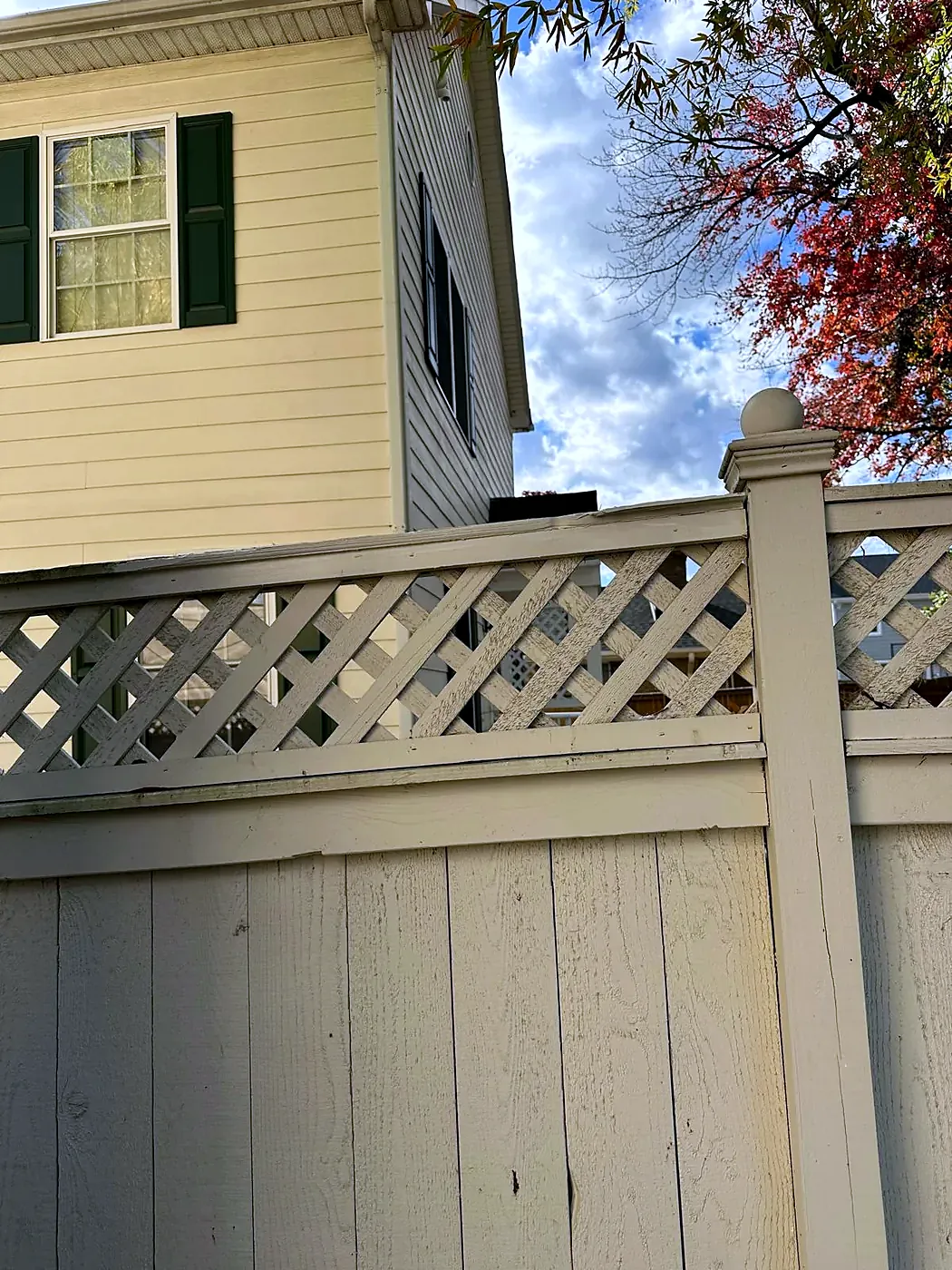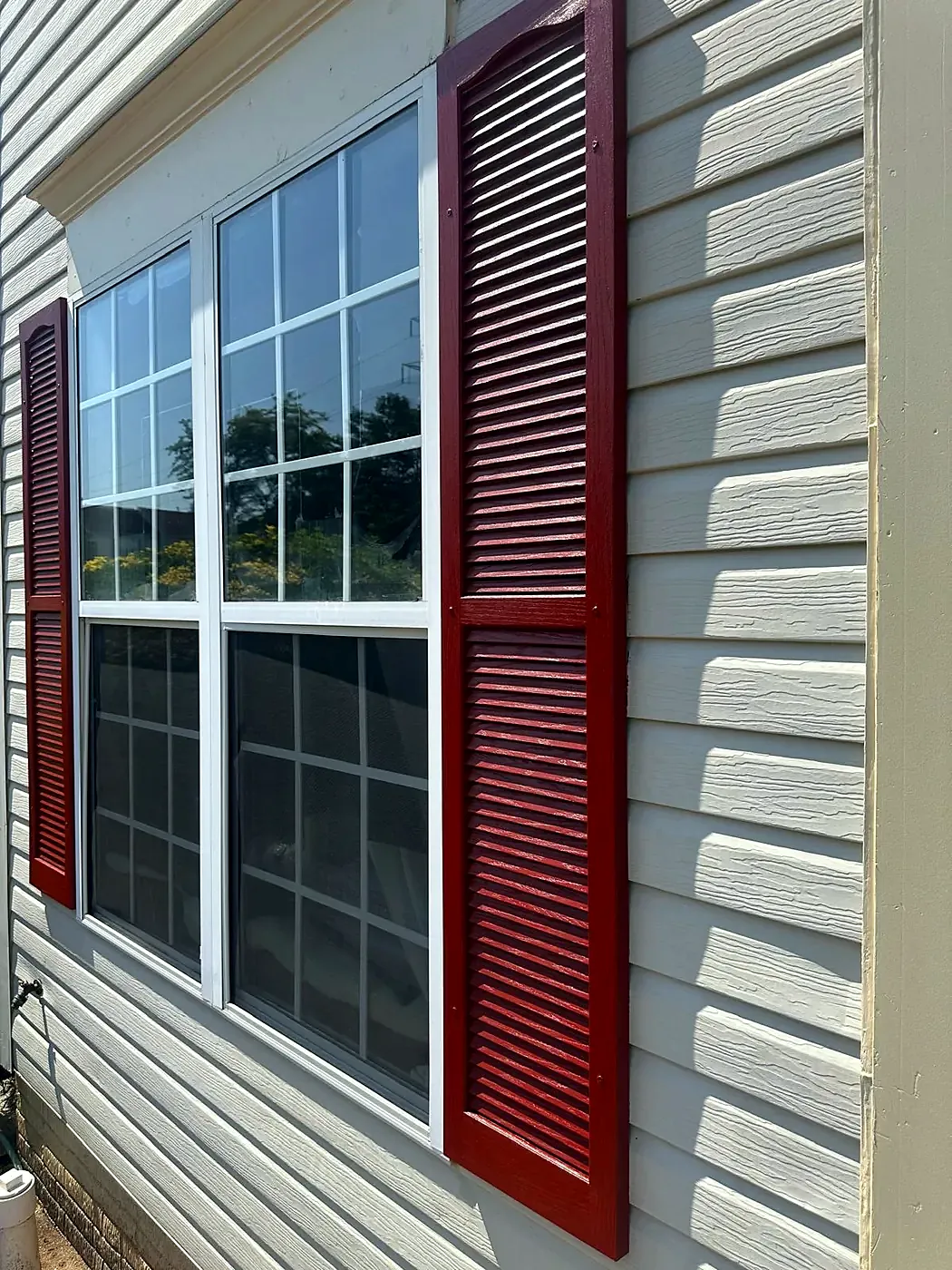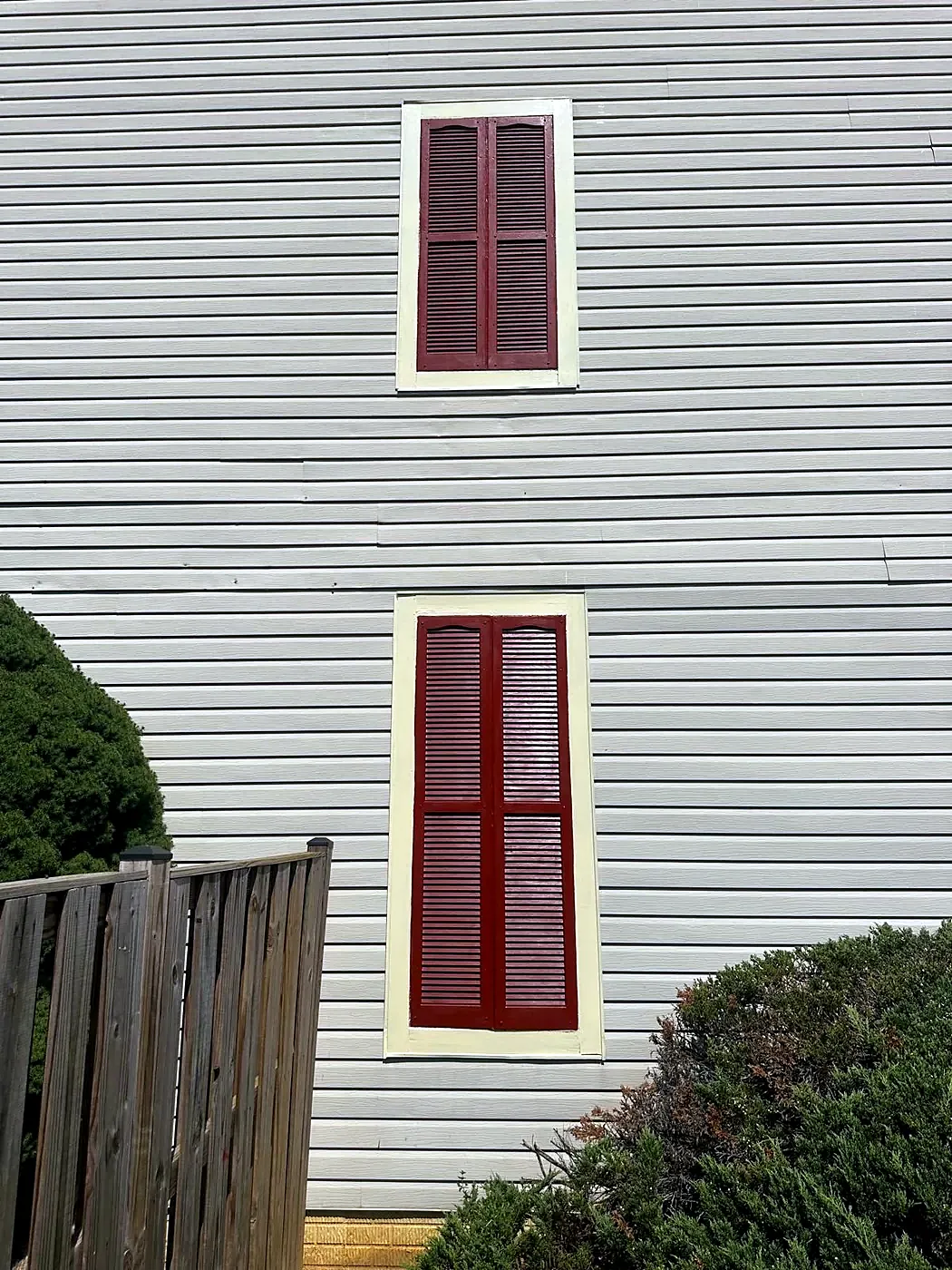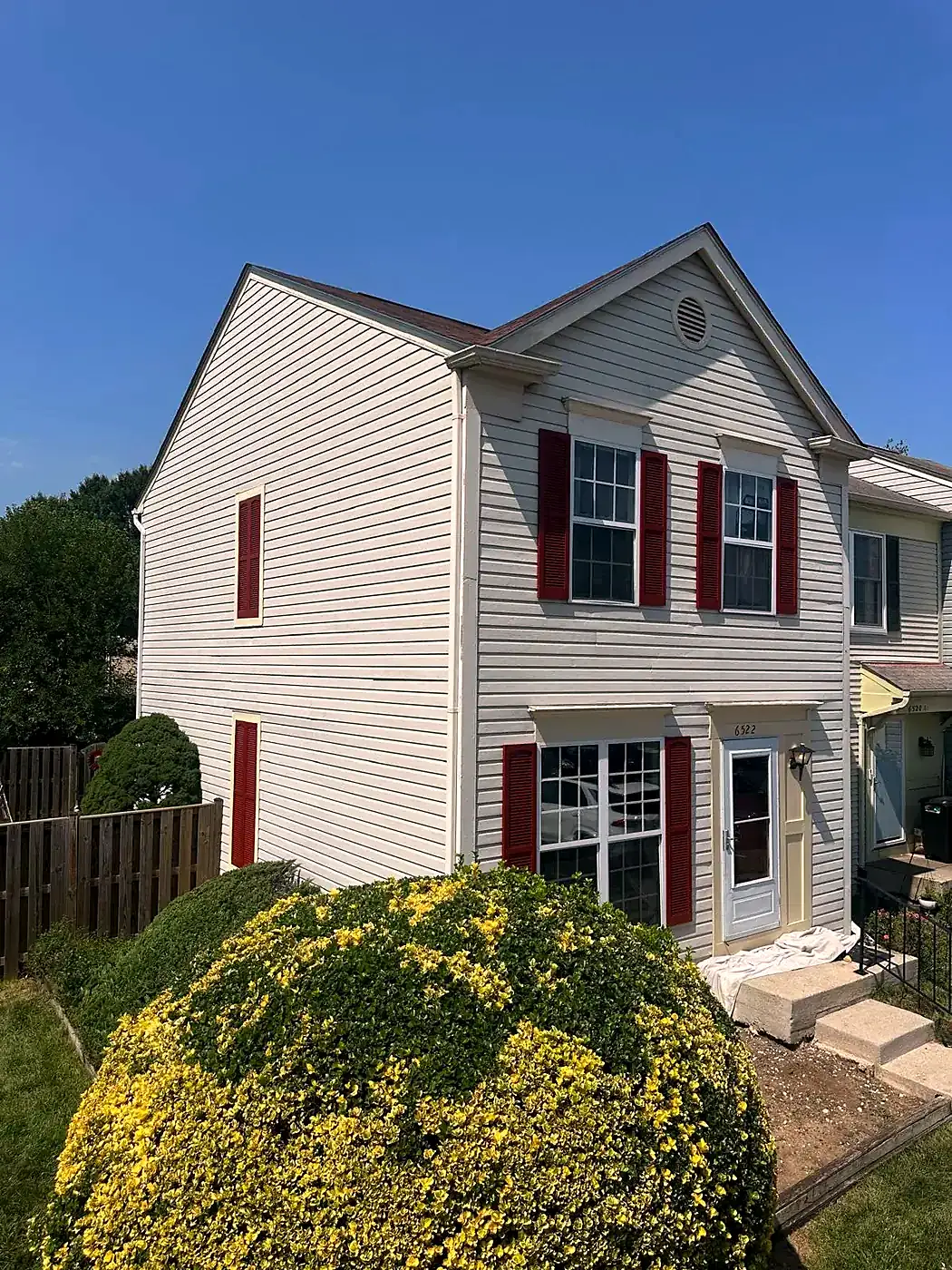
A paint job is a preparation job. Our sequence is the same every time: protect the room, patch every hole and open joint, point up, skim and sand the surface, prime all repaired areas with a sealer, and only then paint — walls and ceilings in flat, trim and doors in semi-gloss. Outside, rot, rusted metal and failed caulk are repaired before a brush is loaded, because paint over decay simply hides it until the following spring.
What interior painting prep actually involves
Almost every complaint people have about a previous painter is a preparation complaint: a roller-stippled patch showing through, a nail hole that reappeared, a stain ghosting back, tape lines on trim. This is the prep our contracts specify, and it is written out because it is the part that takes the time:
- Protection first. Floor and furniture protection goes in before anything else — drop cloths and plastic sheets over furniture, flooring and electronics, and plastic tenting where sanding will be heavy.
- Patch every hole. Holes left from electrical work are the most common. So are the holes left when wall speakers and their wire outlets come out, and the raw wall behind a vanity or a pedestal sink that has just been removed.
- Point up, skim and sand. Point up the open joints and dents, skim the repaired areas flat, then sand the whole surface ready for paint. This is the step that decides whether patches read in daylight.
- Prime all repaired areas. Every patch is primed with a sealer before color goes on. Bare compound and bare gypsum drink paint at a different rate than the wall around them, which is what makes a patch flash.
- Strip what has to come off. Wallpaper comes off rather than getting painted over.
- Then paint. Walls and ceilings in flat, trim and doors in semi-gloss.
Where drywall repair is needed rather than filler, it is done properly first — see drywall and ceiling repair.
Why priming comes before any interior painting
Primer is not a cheaper first coat. It does three different jobs, and skipping it is the most common shortcut in the trade.
- It seals a porous surface
- New joint compound, bare drywall and sanded plaster absorb finish paint unevenly. A sealer evens out that absorption, which is why we prime all repaired areas even when the room is being painted the same color it already is.
- It blocks what is underneath
- A stain-killer primer is what stops a mark coming back through. Where water has been in a wall or ceiling, we seal the joists and studs with stain-killer primer against wood tannin bleed-through before the new board even goes up, and prime the finished surface with a sealer afterwards.
- It gives the finish something to hold
- Glossy trim, previously oil-painted woodwork and bare metal all need a primer that bonds. Rusted metal gets sanded, primed and painted — that is exactly how a rusting chimney cap flashing is handled.
Masonry gets its own treatment. On basement work, cinder block walls are inspected, cracks are filled, and a coat of white mildew-resistant waterproof coating goes on the block before anything is framed against it.
How do you stop stains bleeding through interior painting?
You seal the source, not the symptom. A water stain, a smoke mark, a marker line or a knot in bare trim will come back through two coats of latex, and it will come back weeks after you have decided the job went well.
Three things have to be true before the stain stays gone:
- Whatever wet it has stopped. Painting over a live leak is money spent twice. The stain is the cheapest part of that repair.
- Any mold has been treated. Where there has been water damage we apply Concrobium Mold Control to eliminate and prevent mold, mildew and musty odors before anything is coated.
- The substrate is sealed with a stain blocker, not a wall primer. A general-purpose primer will not hold back tannin or nicotine. We use a stain-killer sealer, and on framing that has been wet, directly on the joists and studs.
On one water-damage job we primed all repaired areas with sealer before any finish coat, not only the areas that were visibly marked — because the boundary of a wet area is always wider than the mark it leaves.
Which paint sheen goes where in interior painting
We standardize on a simple, durable scheme, and it is the one written into our contracts job after job:
| Surface | Finish | Why |
|---|---|---|
| Walls and ceilings | Flat | Hides surface irregularity and roller lap, and is the most forgiving over patched and skimmed areas. |
| Trim, casing, baseboard and doors | Semi-gloss | Takes cleaning and handling, and gives a crisp line against a flat wall. |
| Bathroom and laundry walls | Flat or a scrubbable finish over a sealed surface | Ventilation matters more than sheen here. Where a bathroom has a light fitting instead of an extractor, we have replaced the fitting with an exhaust fan as part of the work. |
| Basement block walls | Mildew-resistant waterproof coating | Applied to the block itself after cracks are filled, before any framing goes up against it. |
| Exterior metal flashing and rusted steel | Sanded, primed, then finished | Rust has to be taken back before it is coated or it simply grows underneath. |
If you would rather supply the paint yourself, that is normal on our jobs — a good share of the interiors we paint are finished in owner-supplied paint, and we will tell you before we start how much you need.
What exterior painting includes, and what gets repaired first
Exterior painting is a carpentry job with a coating at the end of it. Every exterior job we quote begins with an inspection of what the paint is going onto, because a coating applied over soft wood buys a season at most.
- Rot and decayed wood, cut out and replaced. On one property the wood on both sides of a front door frame was damaged to about six inches high. On another, two porch corner posts were found decayed. That timber is replaced, not filled — see rotted wood and trim repair.
- Trim removed, holes cleaned and filled. Exterior trim comes off where it has to, the fixing holes are cleaned out and filled, and it goes back to a sound surface.
- Flashing and caulk. New threshold flashing under doors, sealed with polyurethane caulk to prevent decay of the jamb and framing. Polyurethane outside, not the silicone we use in a bathroom — different joint, different product.
- Siding made good. Where an opening is cut or a panel is damaged, siding is matched in — fiber cement plank matched to the existing where that is what the house has. See siding repair and replacement.
- Metal prepared properly. Rust sanded back, primed and painted. Vent trim finished in white to match.
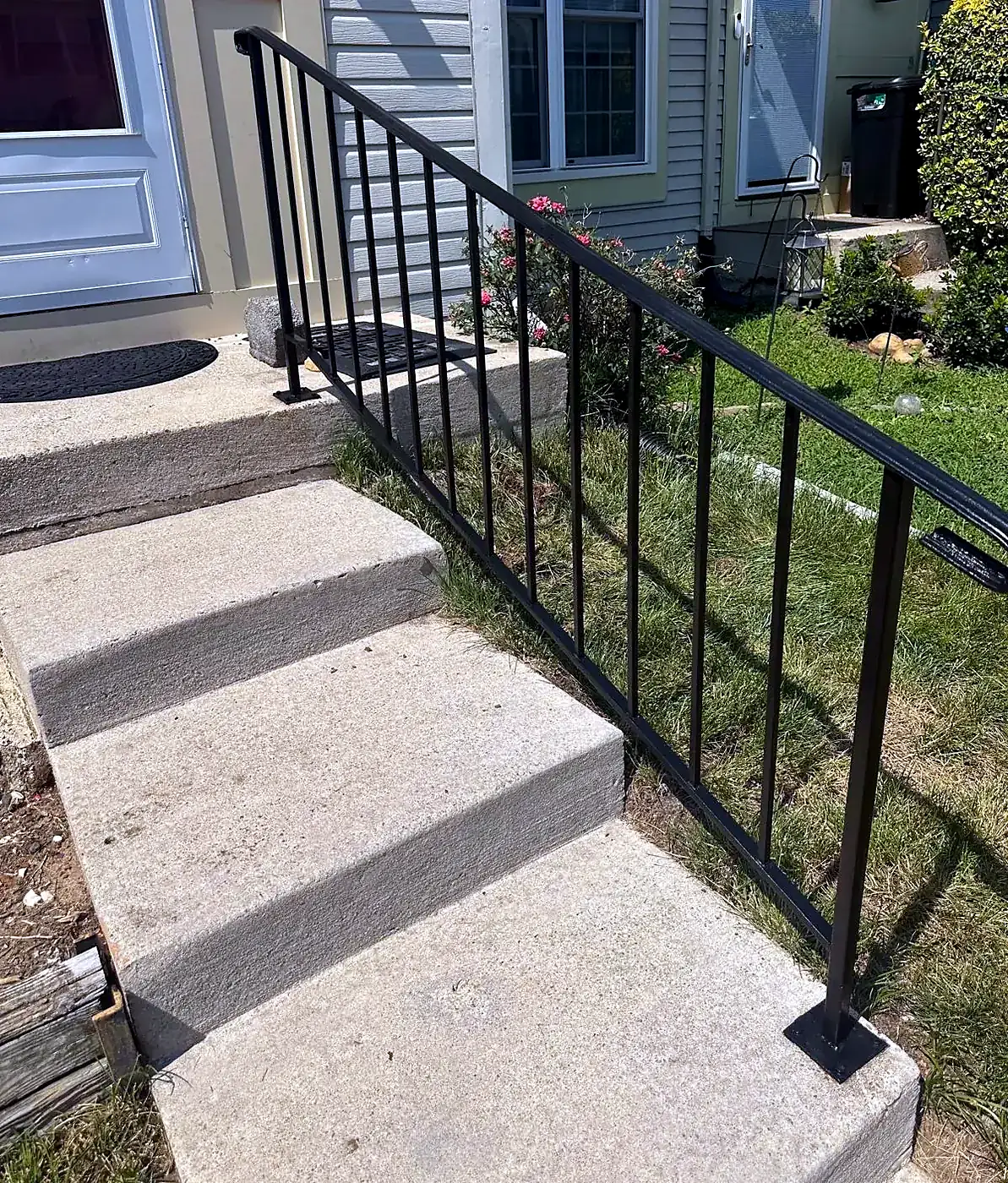
- Decks, rails and porches. Loose pickets, settled decking and railing refinishing are handled before any coating goes on — see deck, porch and railing repair.
Why exterior painting fails early
When an exterior coating fails in two or three years rather than eight or ten, the cause is almost never the paint itself. It is nearly always water arriving somewhere it should not, and it shows up as peeling in one area rather than fading everywhere.
- Water running behind the coating
- Failing gutters and downspouts, or a gutter that discharges against the wall, keep a band of siding and trim permanently wet. Coating stays on dry wood and lets go of wet wood — see gutter repair, cleaning and downspouts.
- Ground contact and grading
- Where grading falls toward the house instead of away from it, the bottom of the wall stays damp. Code here looks for a drop away from the foundation, and we have found front grades that did not meet the minimum drop.
- Unsealed end grain and joints
- The end of a board, the underside of a sill and the joint at a door jamb are where water gets in. Threshold flashing and a polyurethane joint at those points is what keeps the framing behind them dry.
- Rust bleeding through
- Painting a corroded metal surface without sanding it back traps the corrosion under the coating and it keeps going.
- Coating over decay
- A soft board holds moisture against the film from the inside. It will blister, and the blister is the least of the problem.
What interior painting cannot cover up
Part of our job at the estimate is telling you what a coat of paint will not solve, before you pay for it:
- An active leak. The mark comes back, and it comes back bigger.
- Failed drywall. Saturated board has to be cut out and replaced, the cavity treated and the framing sealed. Paint on top of it traps the odor.
- Mold or staining in a cavity. We have opened closets found to have mold and staining. That gets treated, not coated.
- Wallpaper that is lifting. It comes off first.
- A crack that keeps returning. If a crack reopens in the same place after a correct repair, something is moving and the paint is the wrong conversation.
- A ventilation problem. A bathroom with no exhaust fan will keep condensing on whatever you put on the walls.
None of that is an upsell. It is the difference between a job that looks right the week we leave and a job that still looks right when you sell the house.
What interior and exterior painting costs
We do not quote painting by phone and we do not publish prices. Two rooms of the same size can be a day apart depending on ceiling height, how much patching and skimming the walls need, whether wallpaper has to come off, how many colors and cut lines are involved, and whether trim has been painted with something that needs a bonding primer.
An estimator walks the rooms or the elevations with you, records exactly which surfaces are included and in which finish, and gives you a written price before any work begins. Where exterior repairs are needed before coating, those are listed as their own items so you can see what you are paying for.
Sam & Sons Services has painted, patched and repaired homes across Northern Virginia since 1999, and takes handyman and painting work in Washington DC as well. Licensed in Virginia, DPOR #2705070610. Call (703) 256-8080.